
Keeping your deck looking new comes down to four fundamentals—knowing your deck’s material, cleaning regularly, applying protective treatments at the right time, and adapting your routine to the seasons. Wood decks need sealing or staining every one to two years; composite and PVC decks require less intervention but still benefit from consistent care.
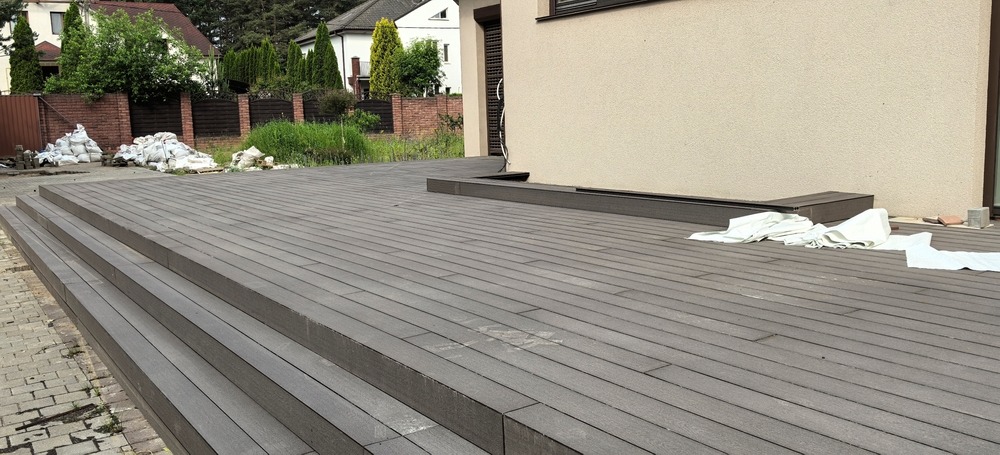
Outdoor living has become one of the most significant home investment categories in 2026. Homeowners across North America are no longer treating their backyard decks as afterthoughts—they’re designing intentional, functional outdoor spaces that serve as true extensions of the home. But even the most beautifully built deck will show its age without a consistent maintenance plan.
At North American Deck and Patio, we’ve seen firsthand what separates a deck that looks showroom-fresh after ten years from one that deteriorates in three. The difference isn’t luck. It’s routine. This guide covers everything you need to know to protect your investment, maintain your deck’s appearance, and enjoy your outdoor space season after season.
What type of deck do you have—and why does it matter for maintenance?
Before reaching for a bucket or a brush, know what you’re working with. Deck materials have very different maintenance profiles, and using the wrong approach can cause more harm than good.
- Wood decks offer timeless natural beauty but are the most demanding to maintain. They’re vulnerable to moisture, UV fading, rot, and insect damage. Regular sealing and staining are non-negotiable.
- Composite decks—made from a blend of wood fibers and recycled plastics—are far more resistant to the elements. They don’t need staining but still benefit from periodic cleaning to prevent mold and surface buildup.
- PVC/vinyl decks are the most weather-resistant of the three. They hold up well against UV rays and moisture but should still be inspected regularly for structural wear.
Knowing your material is the foundation of every decision that follows.
How often should you clean your deck to prevent long-term damage?
Cleaning is the most underrated form of deck maintenance—and the most neglected. Debris accumulates fast. Leaves, pollen, dirt, and standing water all create conditions where mold, mildew, and rot can quietly take hold beneath your feet.
For wood decks, a weekly sweep removes surface debris, while a deep clean with a mild deck cleaner and soft-bristle brush should be done two to three times per season. Avoid high-pressure washing on wood unless you know the PSI won’t damage the grain. Harsh chemicals strip protective finishes, so opt for a pH-neutral deck cleaner.
For composite and PVC decks, monthly cleaning is typically sufficient. Use warm, soapy water and a soft brush. Most stains—including grease from outdoor cooking—respond well to gentle scrubbing if treated promptly.
A few other cleaning habits worth building:
- Rearrange outdoor furniture periodically to prevent sun discoloration and moisture pooling beneath legs and pads.
- Trim surrounding vegetation to reduce leaf and branch debris and improve airflow, which lowers the risk of mold growth (according to Deck Rescue, reduced airflow is one of the leading contributors to surface mold on residential decks).
- Inspect fasteners each time you deep clean. Tighten loose screws, and replace any corroded or rusty hardware before it compromises structural integrity.
When is the best time to seal or stain a wood deck?
Timing matters more than most homeowners realize. According to Stump’s Decks & Porches, the optimal window for sealing or staining a wood deck is late spring to early summer—when humidity is low, temperatures are moderate, and the deck surface is thoroughly dry.
Sealing protects wood from water infiltration that leads to rot and warping. Staining adds a layer of UV protection while enhancing the wood’s natural color. The two can be combined in a single product or applied separately depending on the finish you want.
As a general rule, wood decks should be resealed or restained every one to two years. Skip this step for three or more seasons, and you’re likely looking at significant refinishing work—or board replacement.
Before applying any product:
- Deep clean the surface and allow it to dry completely (at least 48 hours in direct sun)
- Sand lightly to open the wood grain and remove any flaking residue
- Check for moisture with a moisture meter—wood should read below 15% before staining
- Apply your chosen product in the direction of the grain for even coverage
What protective treatments help extend your deck’s lifespan?
Beyond sealing and staining, a few targeted treatments add meaningful protection—especially for decks in high-traffic or high-exposure environments.
UV-resistant coatings minimize fading caused by prolonged sun exposure, which is particularly relevant during summer months. The 2026 outdoor living trend toward warm neutral tones—greiges, soft browns, driftwood finishes—is partly driven by homeowners choosing colors that resist looking dated as they weather. Choosing a UV-resistant product helps your deck’s color hold closer to its original tone for longer.
Mold and mildew inhibitors are worth applying annually in humid climates or shaded areas where airflow is limited. These treatments reduce the conditions mold needs to establish itself, keeping both the appearance and the structural integrity of the deck intact.
Anti-slip coatings are a practical addition for any deck surface, particularly around pool areas, outdoor kitchens, or in regions with significant rainfall. They add safety without affecting the deck’s aesthetic.
Pest monitoring should be part of every maintenance routine for wood decks. Wood-boring insects like termites and carpenter ants can cause serious structural damage before any visible signs appear. If you notice small holes, sawdust-like frass, or soft spots underfoot, contact a pest control professional immediately.
How should your deck maintenance routine change with the seasons?
A single annual clean-up isn’t enough. Each season places different demands on a deck, and adjusting your routine accordingly prevents problems from compounding.
Spring is the most important time for a full inspection. After winter, check for boards that have shifted or swollen, examine the ledger board connection to the house, look for frost heave damage around posts, and assess whether a fresh sealant application is needed before heavy use begins.
Summer means heavier foot traffic, more UV exposure, and—depending on your region—intense heat and humidity. Clean more frequently, be mindful of grease from grills landing on decking surfaces, and ensure drainage is clear after storms.
Fall calls for prompt leaf removal. Wet leaves are one of the fastest ways to develop surface staining and mold. A pre-winter application of sealant—particularly in northern climates—adds a protective layer before freeze-thaw cycles begin.
Winter maintenance focuses on keeping the deck clear of snow and ice. Use plastic shovels rather than metal to avoid scratching the surface. Avoid rock salt as a de-icer; it accelerates corrosion of metal fasteners and can damage composite surfaces. Calcium chloride or sand-based products are safer alternatives.
Is upgrading your deck materials the smartest long-term investment?
For homeowners whose wood decks require more frequent repairs than they’d like, the cost-benefit case for upgrading to composite or PVC materials is compelling. The shift toward low-maintenance decking is one of the dominant trends in 2026 outdoor living, according to NJ Decks & Outdoor Living (Best Version Media, July 2026). The “do it once and do it right” mindset is reshaping purchasing decisions across the market.
Higher-quality materials—including weather-resistant steel or aluminum framing, stainless steel fasteners, and premium composite decking—typically carry a higher upfront cost but reduce annual maintenance time and long-term repair expenses substantially. When evaluating materials, look beyond the price tag and consider the total cost of ownership over ten or fifteen years.
Build a Deck That Lasts
A well-maintained deck doesn’t happen by accident. It’s the result of the right materials, the right products, and a consistent routine that accounts for your specific climate, usage patterns, and deck type.
North American Deck and Patio specializes in helping homeowners build and maintain outdoor spaces that stand up to real life—and continue looking their best for years to come. Whether you’re refining your maintenance approach or planning a full deck renovation, our team is here to help. Contact North American Deck and Patio today to schedule a consultation and take the first step toward an outdoor space you’ll be proud of every season.
Thousands of Happy Customers
“ Jim at North American patio and deck's came up with the most ingenious way of utilizing our small very slanted very water drained environment and turned it into a virtual oasis. Making this deck the envy of all our ambitions and gem for the community.”
– C. Cross
30+ Years of Industry
Experience


